Majuli, Slowly
Notes from an island that refuses permanence

“Pani komise, ne badhise?” Mirza asks a few elderly men sitting along the bank.
Is the water low? How is the current?
In Majuli, this isn’t small talk. As the day ends, people gather by the river, trading observations and stories of past floods. This is how knowledge is passed on, by watching, remembering, and talking.
I came to Majuli to photograph bamboo bridges. I didn’t expect to leave unsettled.
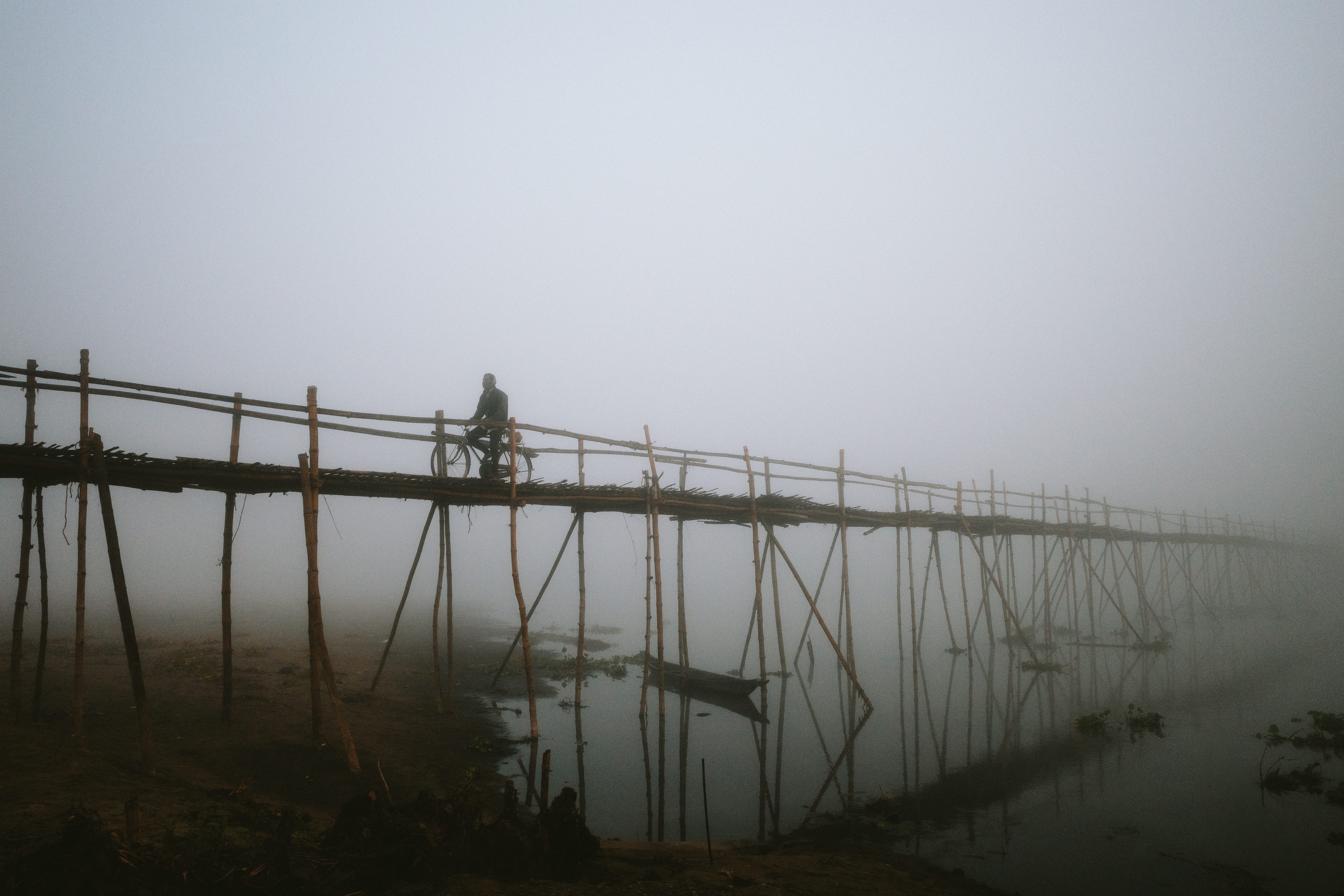
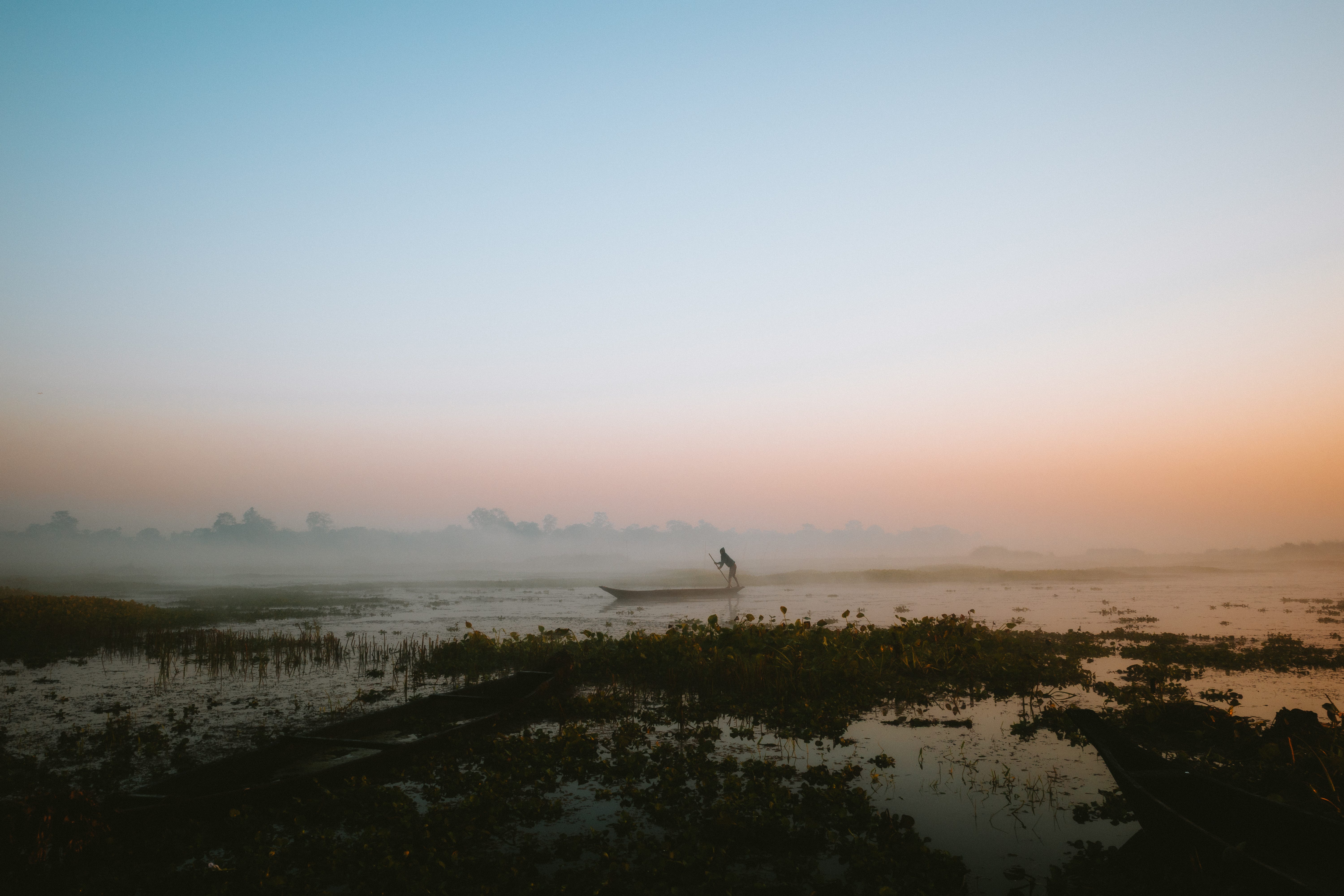
From a distance, the island looks calm. Fields stitched together by water. Mornings softened by fog. Bamboo bridges hanging on by trust more than tension. But Majuli exists only because the Brahmaputra allows it to.
For centuries, people here lived knowing nothing was permanent. Not land. Not homes. Not routes. And yet, they stayed.
The Brahmaputra is geologically young and restless. Every monsoon, it redraws the map. Banks collapse. Channels shift. Majuli itself is temporary. Its edges are assembled and dismantled again and again. Over the last seventy years, the island has shrunk dramatically. Villages erased, rebuilt elsewhere.
Flooding here wasn’t considered a disaster. It was rhythm. Loss was expected. Homes were light. Possessions few. Movement normal. A house that could be dismantled wasn’t a compromise, it was common sense.
The bamboo bridges make this logic visible. They sag. They sway. They are rebuilt every year, adjusted as the river moves. They are repaired locally. No permissions. No delays. They don’t resist the river. They work with it.
After the 1950 Assam earthquake and the floods that followed, the state began to see the river differently
The river came to be seen as a problem to fix. Flooding became failure. The answer was concrete. Embankments. Roads. Dams. Bamboo was replaced with attempts towards permanence.
But rivers remember their old paths.
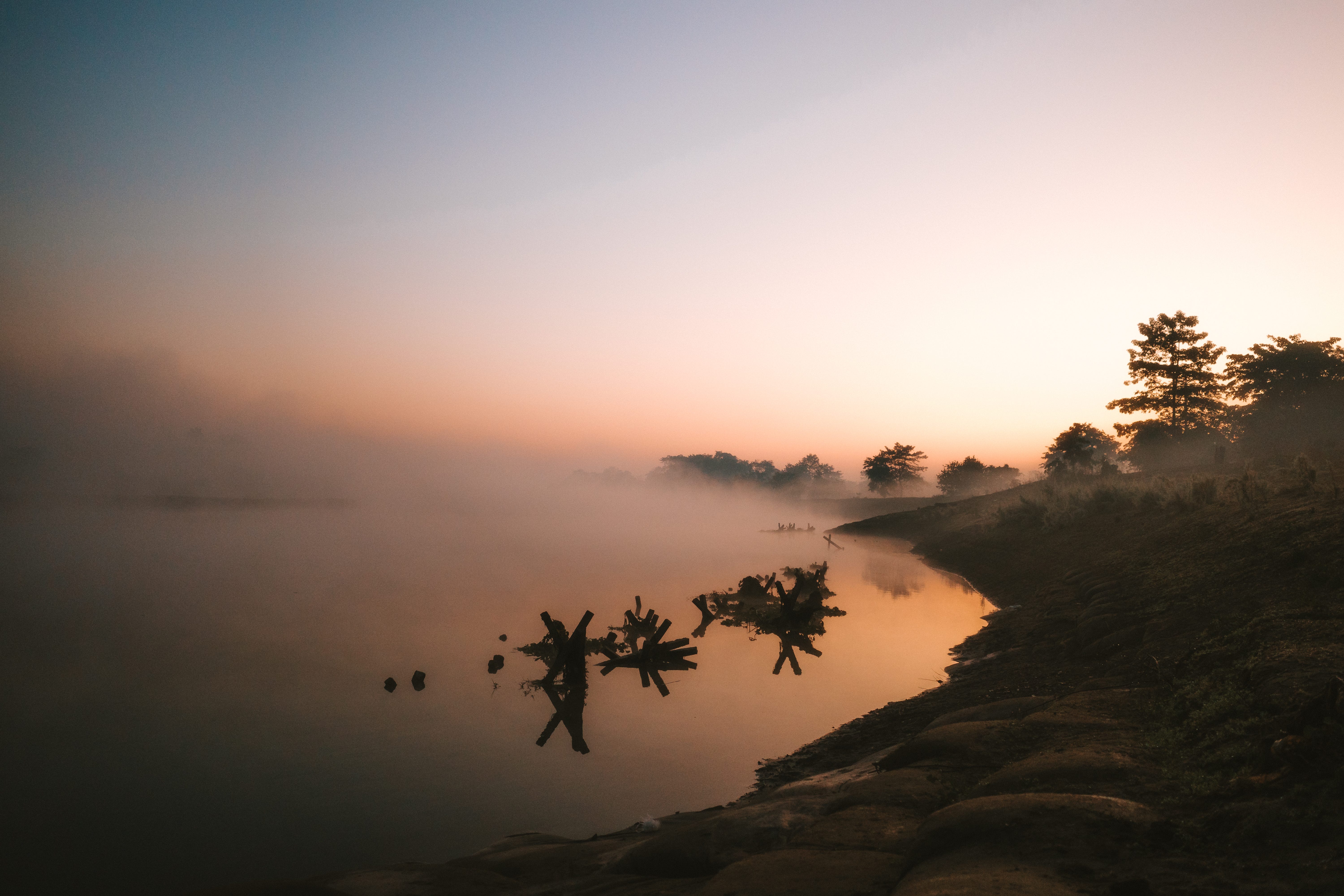
Embankments break. When they do, floods arrive harder. Sediment builds. Risk compounds. Infrastructure piles up. Planned. Half-built. Abandoned. What’s left is not protection, but evidence.
Concrete doesn’t adapt.
It lingers.
This is usually where people reach for the word resilience, which lately has become shorthand for asking people to carry the cost of decisions they didn’t make.
What I saw in Majuli looked less like endurance and more like alignment.
And that alignment is being strained.
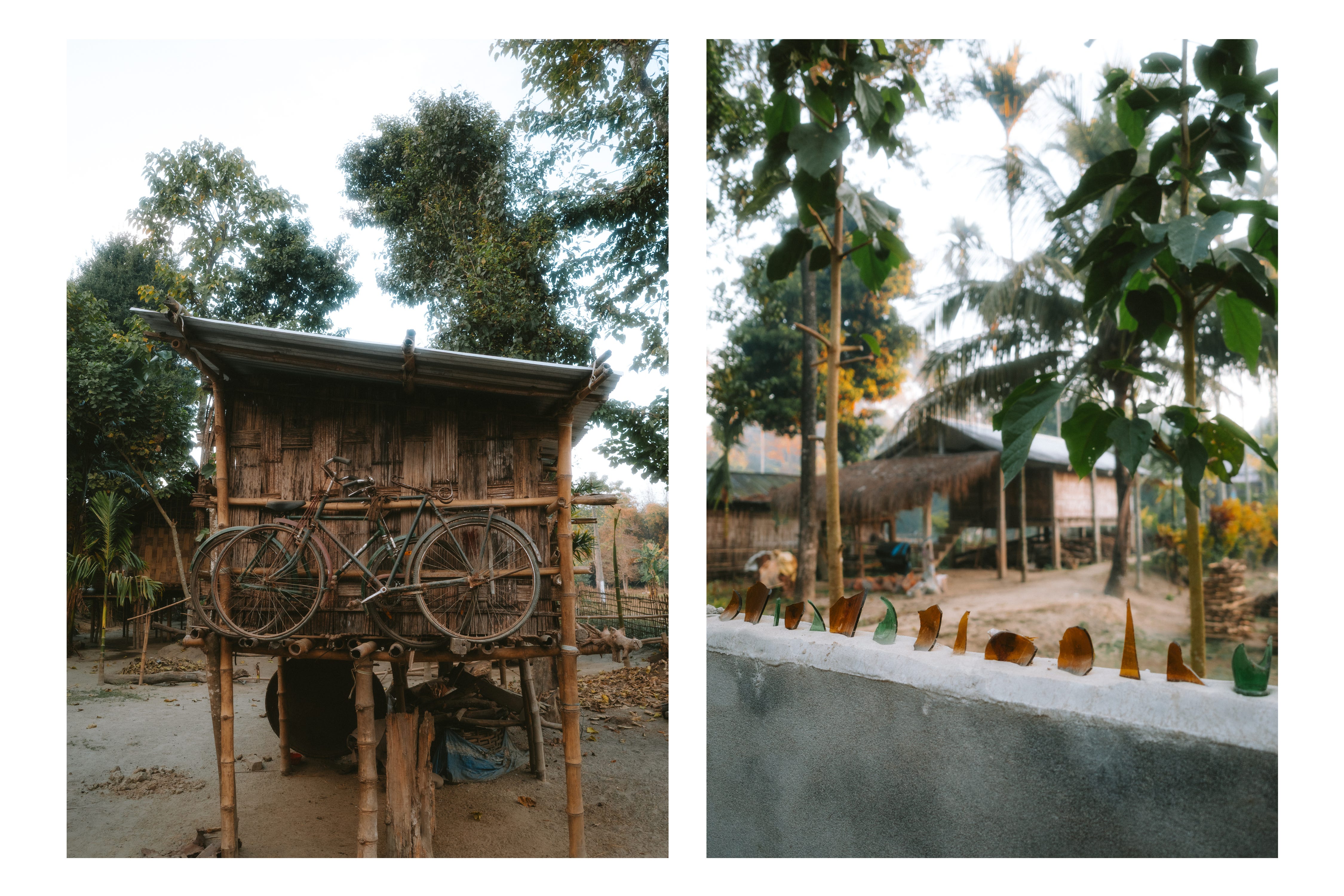
Permanent housing replaces movable homes. Roads fix paths that once shifted. Where there were no fences, there are now cement bags and walls topped with glass shards. What was once negotiated through familiarity is now enforced through permanence.
Progress here feels lopsided. One step forward. Two steps back.
There’s a proposed bridge from Majuli to Jorhat. It will bring access, officials say. Hospitals. Opportunity.
The bridge comes first. The hospital later.
The logic is revealing. Movement before care, speed before capacity.
Majuli never asked to be fixed. It survived by accepting loss and designing life around it. Its systems were built to be rebuilt. Carried forward in practice, not poured into concrete.
The river understood this. So did the people.
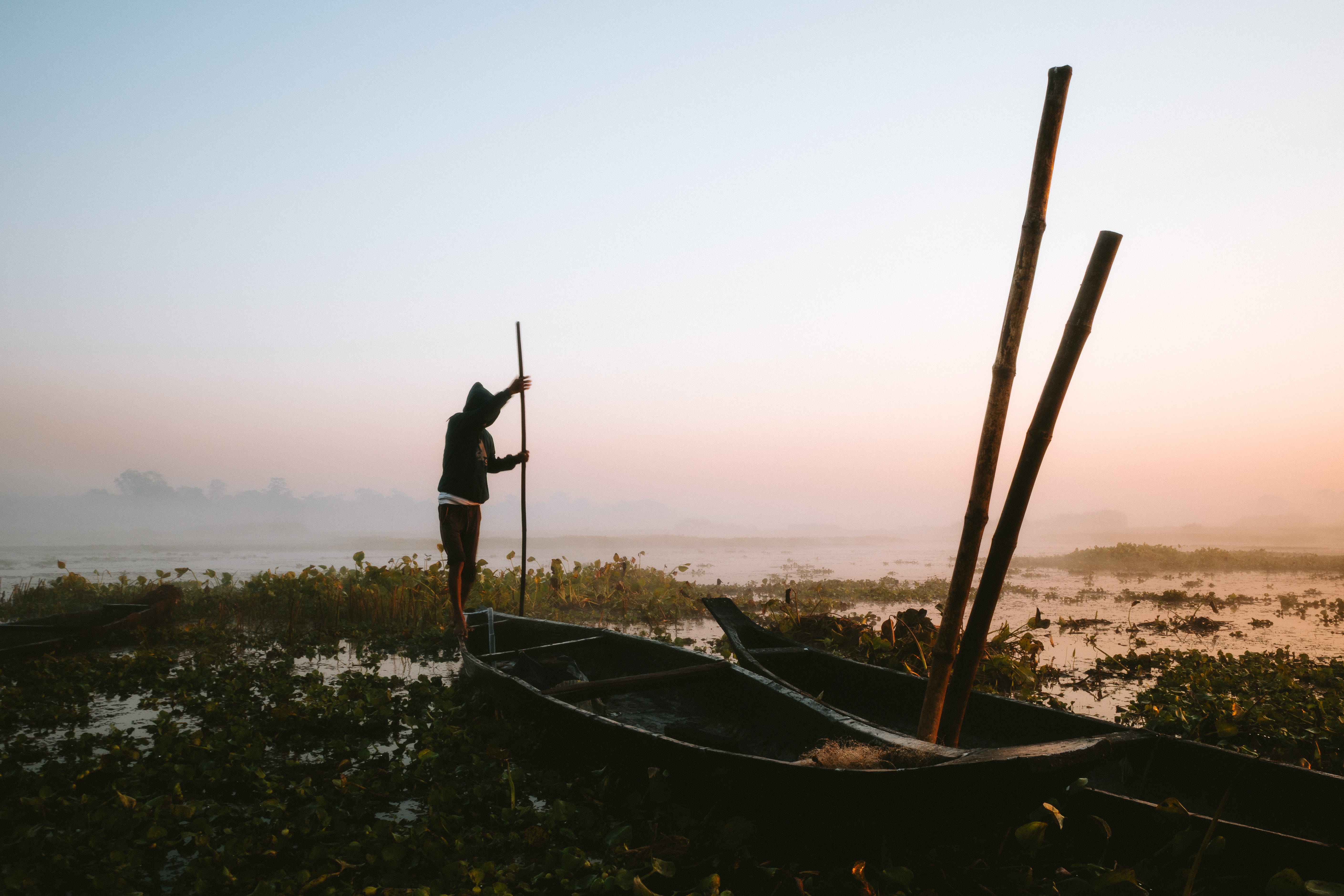
What’s new is the belief that stability can be engineered into a place that has never stayed still. It reflects bureaucratic hubris. These ideas don’t fail loudly. They fail slowly.
A bridge leads to care that isn’t there. A house stands firm until the land beneath it moves.
Later, as we walk along the bank overlooking an abandoned concrete bridge, Mirza shrugs. He has spent years studying the Brahmaputra—its embankments, its failures, the debris of state planning left behind in its wake. He’s written about these artifacts not just as mistakes, but as records: evidence of how power imagines control over a river that refuses it.
What unsettles me, Mirza interprets through years of studying the river and its traces. Reading his work later, the idea of deep time stayed with me—the sense that the river is patient, and that our interventions are brief.
Majuli doesn’t need to be saved from the river.
The river is patient. Our ambitions rarely are.
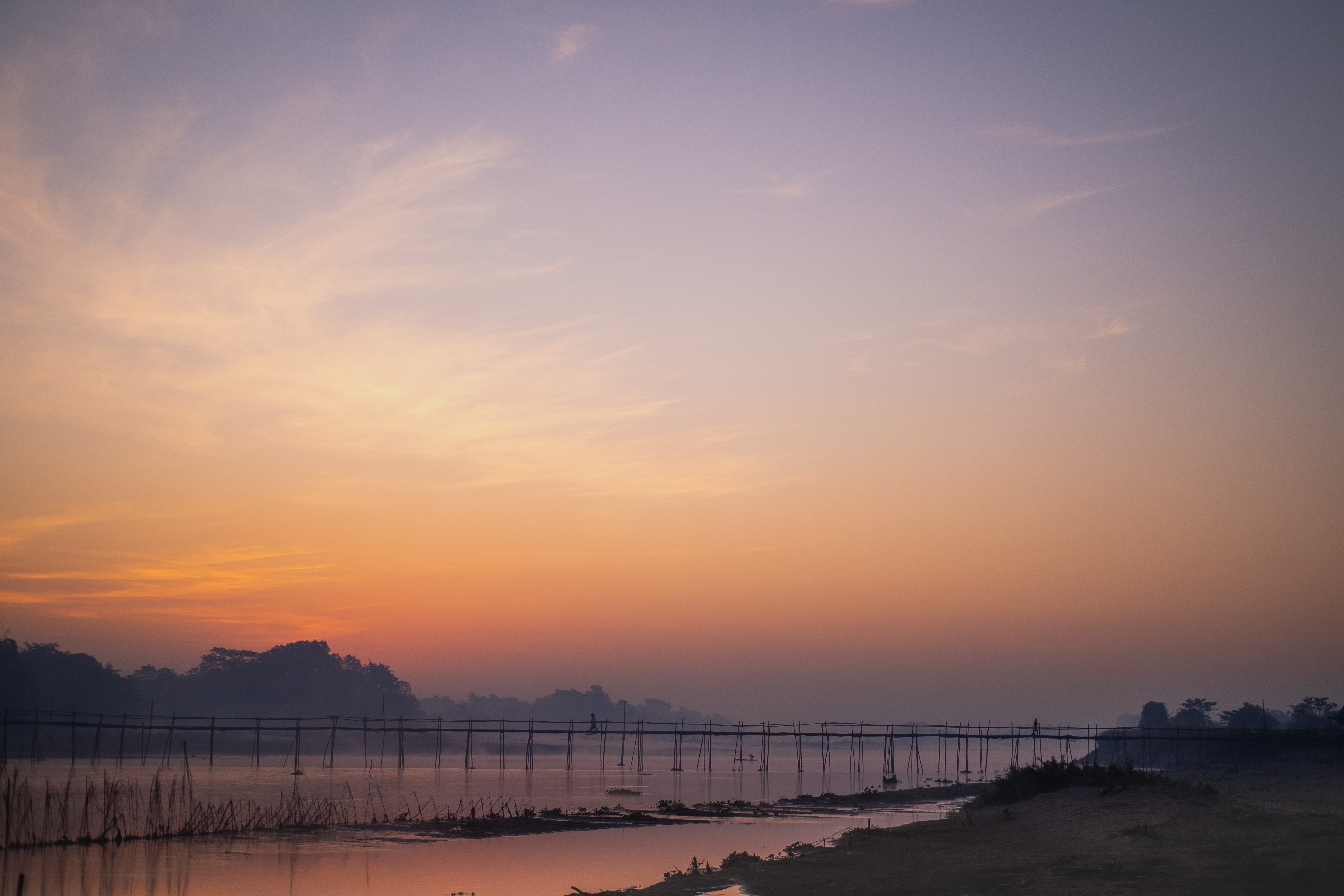
I’m grateful to Mirza Zulfiqur Rahman and Manish Lakhani, whose work and guidance shaped how I encountered Majuli, both as a place and as a system.
What a beautiful piece, Basra. Both visually and in ur writing I am glad to have experienced the unsettlement of Majuli.
Amazingly written Basra. I had heard about Majuli and the challenge that the Brahmaputra poses to its habitants. But you really captured the essence of the relationship that the people of Majuli have with the Brahmaputra.